Your
Trusted
Get Fully AWS Funded
Cloud Migration
Cloud Migration
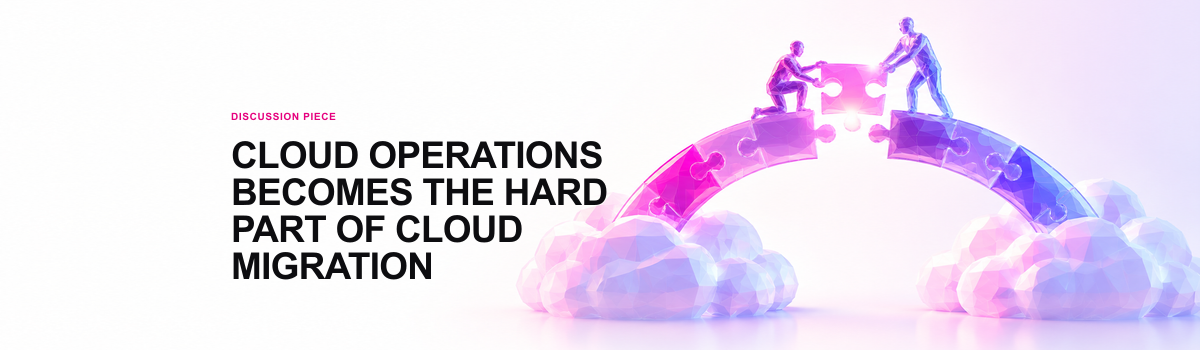
Cloud operations is the ongoing work of running the environment after cutover. It includes responsibility for access, changes, monitoring, incidents, backup checks, cost visibility and capacity planning.
Consider a managed service when the team needs dedicated operating coverage, repeatable platform standards or a clearer responsibility boundary. The decision should follow an assessment of internal capacity, workload criticality and the work that needs to be covered.
The handover should name owners for the platform, document access and escalation paths, define how changes are made, set monitoring and backup practices, and assign cost ownership. Each item gives teams a concrete decision path after cutover.
Credentials help establish a baseline for procurement. A thorough evaluation also reviews operating scope, delivery team capability, ownership boundaries, security practices, customer references and the mechanism for continuous improvement.
Every migration plan has a date that commands attention: cutover.
The new environment is live and the project can appear complete. The operational questions start immediately after that date:
"Who approves an access change? Who owns an alert at 02:00? How does a new service reach production without creating account drift or an unexplained cost increase?"
Cloud migration services are growing because the move itself is a serious business project. The global market is projected to reach $80.84 billion by 2031, with an expected CAGR of 24.6%. Company-level results depend on workload, timing and execution.
The figure still points to a useful shift in attention: the migration plan and the operating plan need to meet at cutover.
Moving a workload establishes a new environment with new permissions, billing boundaries, monitoring paths and deployment rules. A migration handover makes those choices operational. It names who owns them, how changes are reviewed and which signals prompt action.
A planned cloud migration engagement should include this handover from the start. The migration work can define the target environment, sequence the move and test the cutover. The operating model carries those decisions into the weeks and months that follow. A shared model keeps platform knowledge available across project notes, individual engineers and emergency calls.
Cloud operations is the recurring work that keeps a platform understandable and predictable after release. It includes access management, change control, monitoring, incident response, backup verification, cost visibility and capacity decisions. Operations is an ongoing practice of preparing, operating and evolving workloads, supported by measurement, learning and improvement.
Each activity connects to a practical business question. A monitoring tool routes a signal. A named owner decides whether that signal needs a response, how quickly and with what customer impact. A cost dashboard identifies resources. Cost ownership brings the right team into a spending decision before the bill creates a surprise.
This is where cloud infrastructure management earns its place in a business conversation. The work gives engineering leaders a way to protect delivery time, gives finance a clearer view of changing spend and gives product teams a dependable path for shipping services.
Engineering ability remains central to a healthy cloud platform. The operational layer adds a different set of decisions: who can change shared foundations, how access is granted and reviewed, which alerts reach a human, and who has authority to accept a risk or spend.
A useful operating model makes four things visible:
Some teams already have the capacity to carry this work internally. A mature platform function with clear ownership, runbooks and enough coverage can keep cloud operations inside the company. That is a sound choice when the organisation can sustain the responsibility as its workloads and teams change.
Managed cloud services become valuable when a company needs dedicated operating coverage, a standardised platform layer or a clearer division of responsibility. The question is practical: can the internal team keep the platform healthy while it also builds the product and responds to customer needs?
52% of customers indicate a need for managed services in their partner procurement process. The right operating model still depends on each company's internal capacity.
A managed relationship should be assessed through the operating work it makes clear. Buyers can ask who owns foundational changes, how access is separated, what happens when an alert fires and how cloud costs enter an engineering decision.
This is where ongoing cloud infrastructure management creates value: it turns standardisation, visibility and agreed operational practices into part of the platform itself.
Those figures explain why credentials matter in a shortlist, and leave room for the questions that shape a long-term operating relationship.
A buyer needs evidence of how a partner will work in the customer's environment: the ownership model, the technical standards, the escalation path and the way improvement work is prioritised.
The operating model should appear in the migration plan before the first workload moves. Start with one real service, then map its access path, alerting route, deployment process, cost owner and recovery steps. The exercise reveals where decisions still rely on assumptions.
A cloud architecture consulting review can turn those open decisions into a practical direction. It should give the team a shared view of the target platform and a clear boundary between the customer's responsibilities and the managed operating layer.
Cloud migration changes where a workload runs. Cloud operations shapes how confidently a team can use that platform afterwards. The strongest migration plans leave the team with a working environment and an operating model that can carry the next release.