Performance Optimization Management
Measurement and prioritisation across infrastructure, application, and database or query surfaces when APIs, event processing, or customer workflows show pressure.
Logistics platforms depend on partner APIs, event flows, customer-facing applications, and operating signals that need to remain understandable as the platform grows.
Review your critical platform flowsDas Meta strengthens the software platform. It does not run fleets, warehouses, routing, fulfillment, or physical transport operations.

Environment standards, Terraform-backed infrastructure, access hygiene, deployment guardrails, and operational documentation.
Explore the service →Monitoring coverage, alert routing, dashboards, and clearer expectations for incident handling around critical application and integration paths.
Explore the service →Measurement and prioritisation across infrastructure, application, and database or query surfaces when APIs, event processing, or customer workflows show pressure.
Practical support for access, delivery controls, backup hygiene, recovery expectations, and the evidence required for customer or partner review.
For a target architecture, integration design, multi-account model, or decision roadmap.
Explore the service →For recovery objectives, failover testing, or continuity evidence that needs explicit design.
For a migration decision, target environment, or delivery plan grounded in a defined technical scope.
Explore the service →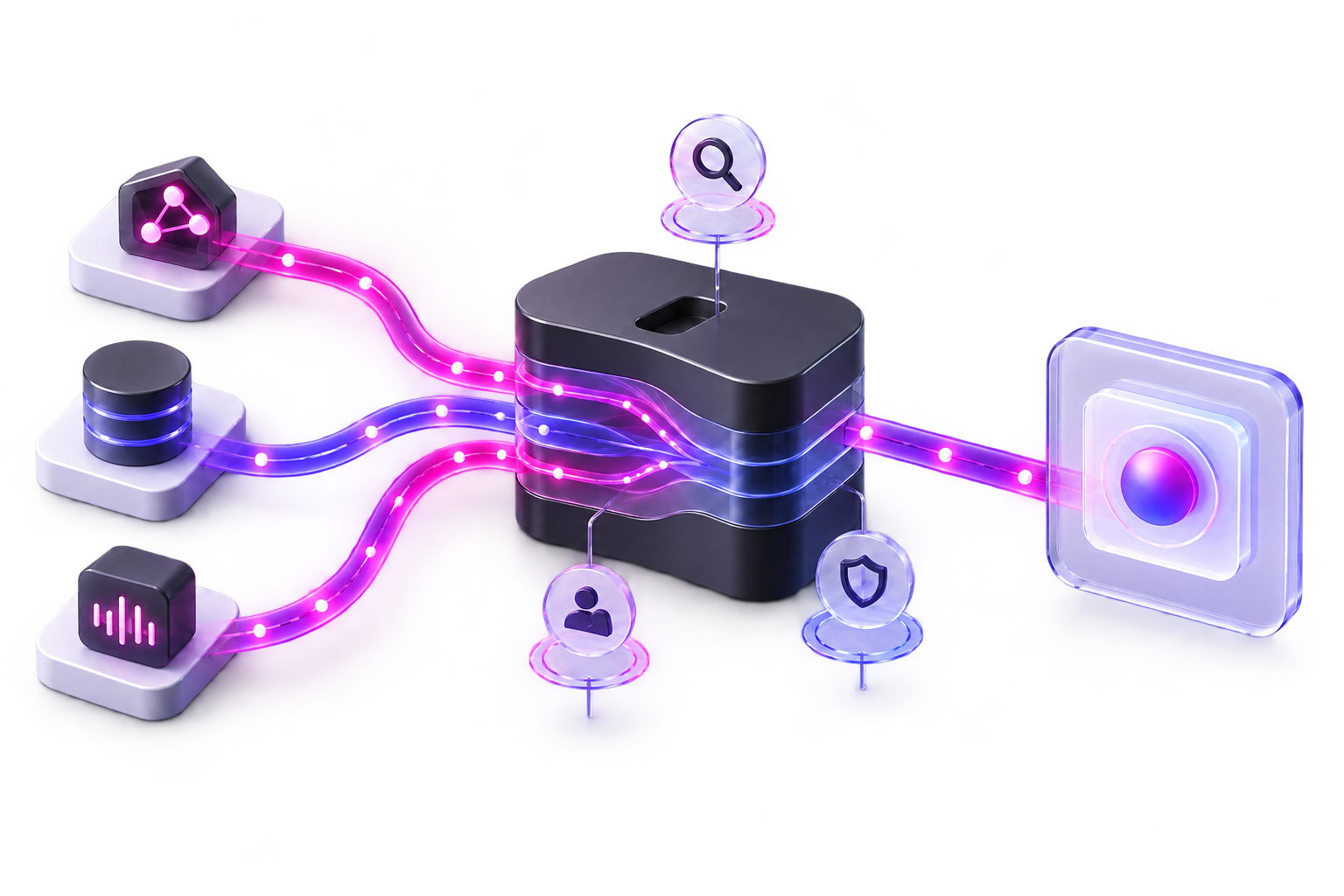 Partner APIsSystems of recordEvent streamsAWS application platformCustomer-facing outputObservabilityOwnershipRecovery controls
API calls, jobs, and events cross systems, but a delay or failure is difficult to locate.
Alerts arrive too late, too often, or without the context needed to act confidently.
API, application, and database behaviour becomes harder to predict as usage grows.
Engineering, platform, and technical operations teams need a clearer operating model around critical paths.
The review follows the path that creates the most operational uncertainty and turns it into a concrete next decision.
A partner integration, event-processing workflow, customer status update, or product API under growing load.
Identify the operating signals that explain the path, not just the alert that surfaced it.
Clarify whether the next move is operational improvement, target architecture, performance work, security controls, or recovery design.
Use this when the immediate question is how to make operating signals more useful across critical application and integration paths.
Read the guide →Use this when a migration-specific constraint, decision, or cloud funding conversation is part of the platform review.
Read the guide →